
Enterprise‑Grade Security in the Palm of Your Hand with Every Punch
The stride80 Palm Vein Biometric time clock provides proven, privacy-compliant authentication optimized for Workday Time Tracking, Oracle HCM Cloud Time and Labor and Legion environments. Secure palm vein scans combine with badge taps and PIN entry on a single device for seamless HCM connectivity.
Why Choose stride80 Palm Vein Biometrics with TimeCom?
Enterprise teams demand time clocks that eliminate fraud while integrating effortlessly with your HCM platform. stride80 palm vein technology delivers accuracy across demanding work environments with full regulatory compliance.
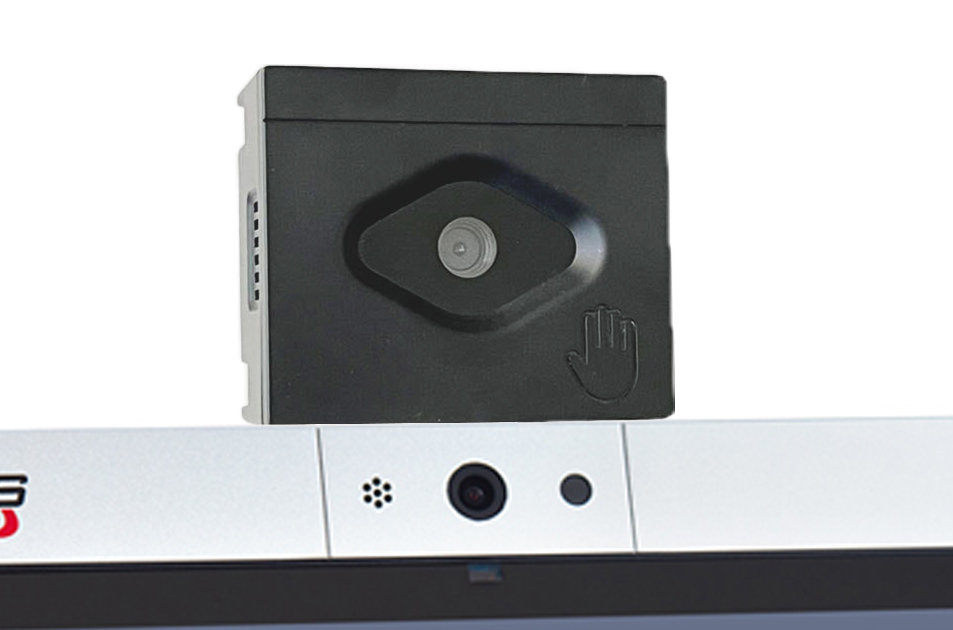
stride80 with Palm Vein Reader
Barcode, Mag stripe, Proximity Readers (optional)
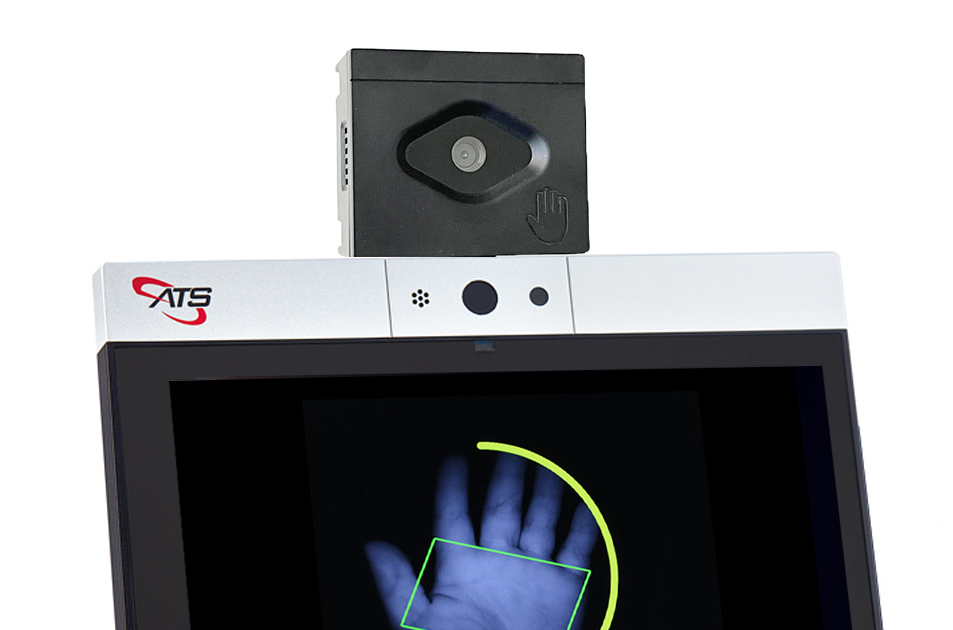
stride80 with Only|You Palm
Barcode, Mag stripe, Proximity Readers (optional)
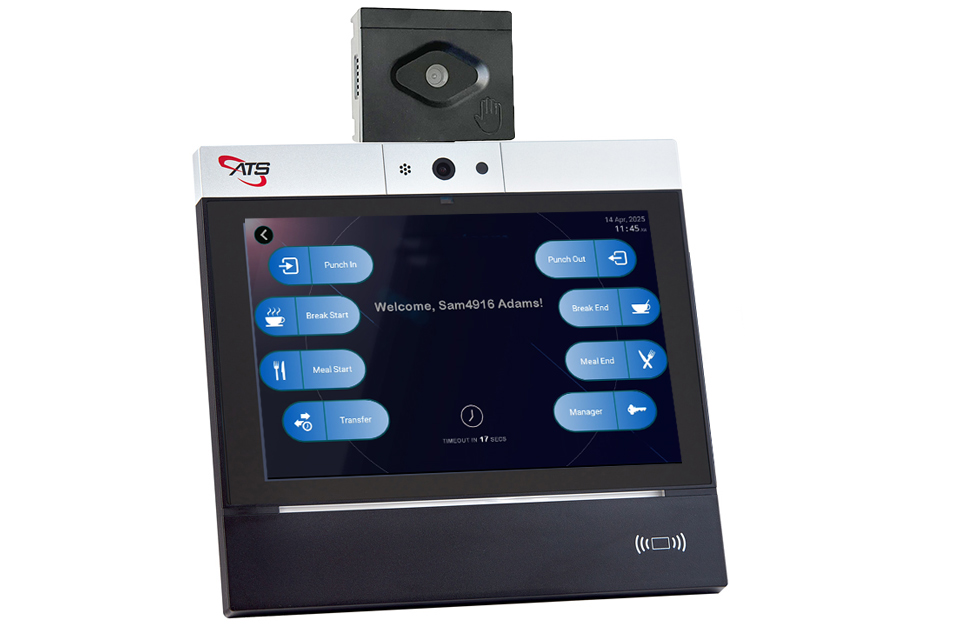
stride80 with Palm Vein Reader
Barcode, Mag stripe, Proximity Readers (optional)
Core Advantages of stride80 Time Clock with Palm Vein Authentication
Prevents unauthorized punches through unique palm vein patterns
Supports badge readers and PIN pads for employees declining biometrics
Streamlines payroll with precise records and reduced disputes
Deploys rapidly with minimal setup requirements
Connects securely to Workday, Oracle HCM, Legion, BambooHR and Connecteam
Allows tailored hardware builds matching your specific workforce requirements
Enables self-service functions like schedule checks and job transfers directly on-device
Delivers rugged construction for long-term reliability and investment value
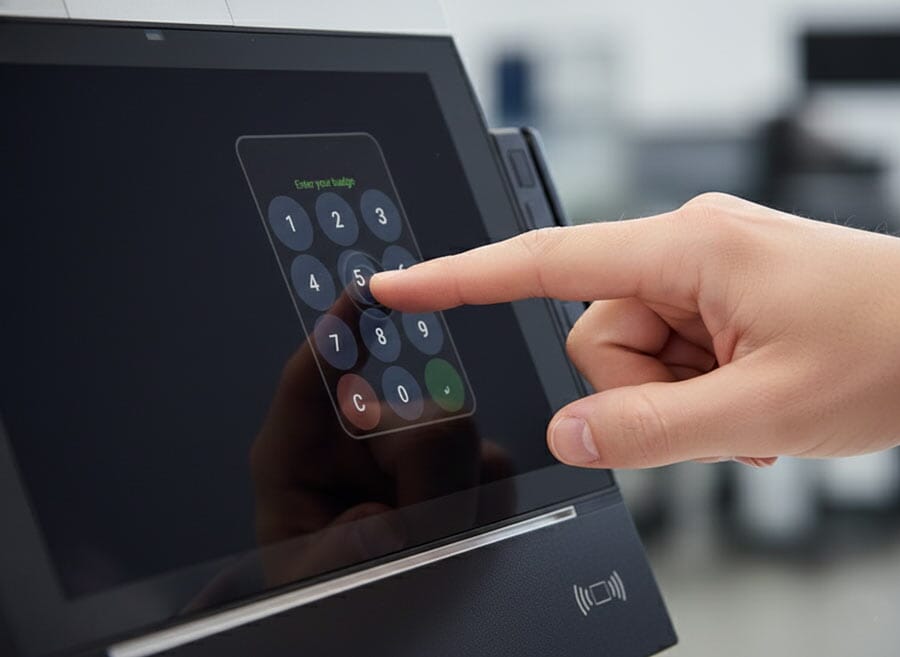
Non-Biometric Options for Opt-Outs
Team members declining Palm Vein biometric enrollment scans can use proximity cards, keypad PINs, or barcode readers on identical stride80 hardware, meeting BIPA and privacy mandates. These alternatives deliver equivalent speed without biometric enrollment requirements.
stride80 with Palm Vein Recognition – Frequently Asked Questions
What is a palm vein reader and how does it work for time tracking?
A palm vein reader is a biometric time clock that uses near infrared light to map the unique vein pattern inside an employee's hand, then converts it into a secure digital template. When employees clock in or out, they simply present their palm and the system instantly matches their template and records the punch—no badges, cards, or paper timesheets required.
Is palm vein time tracking touchless and hygienic?
Yes. Palm vein readers are designed for low-contact or touchless use, with employees hovering or lightly positioning their hand above the sensor. This minimizes shared surface contact, making palm vein ideal for hospitals, clinics, food production, and any environment where hygiene and infection control are a priority.
Is palm vein more secure than fingerprints or badges for preventing buddy punching?
Palm vein authentication is highly secure because it uses an internal, invisible vein pattern that cannot be seen, shared, or easily copied. Unlike badges or PINs, which can be passed between employees, palm vein patterns belong to one person only—helping virtually eliminate buddy punching and reducing time theft across the workforce.
How fast is clock-in using a palm vein reader?
Clock-in is designed to be simple and fast. Employees approach the device, present their hand, and the system completes the match in seconds. This keeps lines moving during peak times like shift changes and breaks, improving throughput without sacrificing accuracy or security.
Is palm vein technology safe and privacy-compliant?
Yes. Palm vein readers use low intensity near infrared light similar to everyday remote control technology and do not collect any medical or health data. The system stores only encrypted biometric templates—not palm images—supporting a privacy first approach that aligns with modern biometric and data protection standards.
What options exist for employees who don't want to enroll their palm?
Organizations can offer non-biometric alternatives such as PIN entry or proximity badges for employees who prefer not to use palm vein. This keeps time tracking consistent and accurate while respecting individual comfort levels and internal biometric consent policies.
Does the palm vein clock integrate with our HR, payroll, or HCM system?
Palm vein time clocks are built to connect with modern time and attendance, HR, and payroll platforms, allowing punch data to flow directly into scheduling, payroll, and analytics. This integration helps reduce manual entry, minimize errors, and deliver real-time visibility into workforce time data across the organization.